

Local Law 11 Facade Inspection NYC: Complete Guide for NYC Property Owners (2026)
Owning a building in New York City comes with strict safety responsibilities, especially when it comes to exterior walls and facades.
Under Local Law 11, also known as the Facade Inspection and Safety Program (FISP), owners of buildings taller than six stories must have their exterior walls and appurtenances periodically inspected and file a report with the NYC Department of Buildings (DOB). The purpose is to identify unsafe conditions early and protect pedestrians, residents, and neighboring property.
Failure to comply can result in civil penalties, DOB violations, and continued enforcement until the building is brought into compliance.
In this guide, we explain what Local Law 11 is, which buildings it applies to, the 2026 filing cycle, inspection requirements, the filing process, typical costs, and penalties for non-compliance.
What Is Local Law 11 in NYC?
Local Law 11, administered through FISP, requires periodic critical examinations of exterior walls and appurtenances for buildings taller than six stories. The law grew out of earlier façade-safety requirements and is intended to reduce the risk of falling debris from building exteriors.
What Is a FISP Inspection?
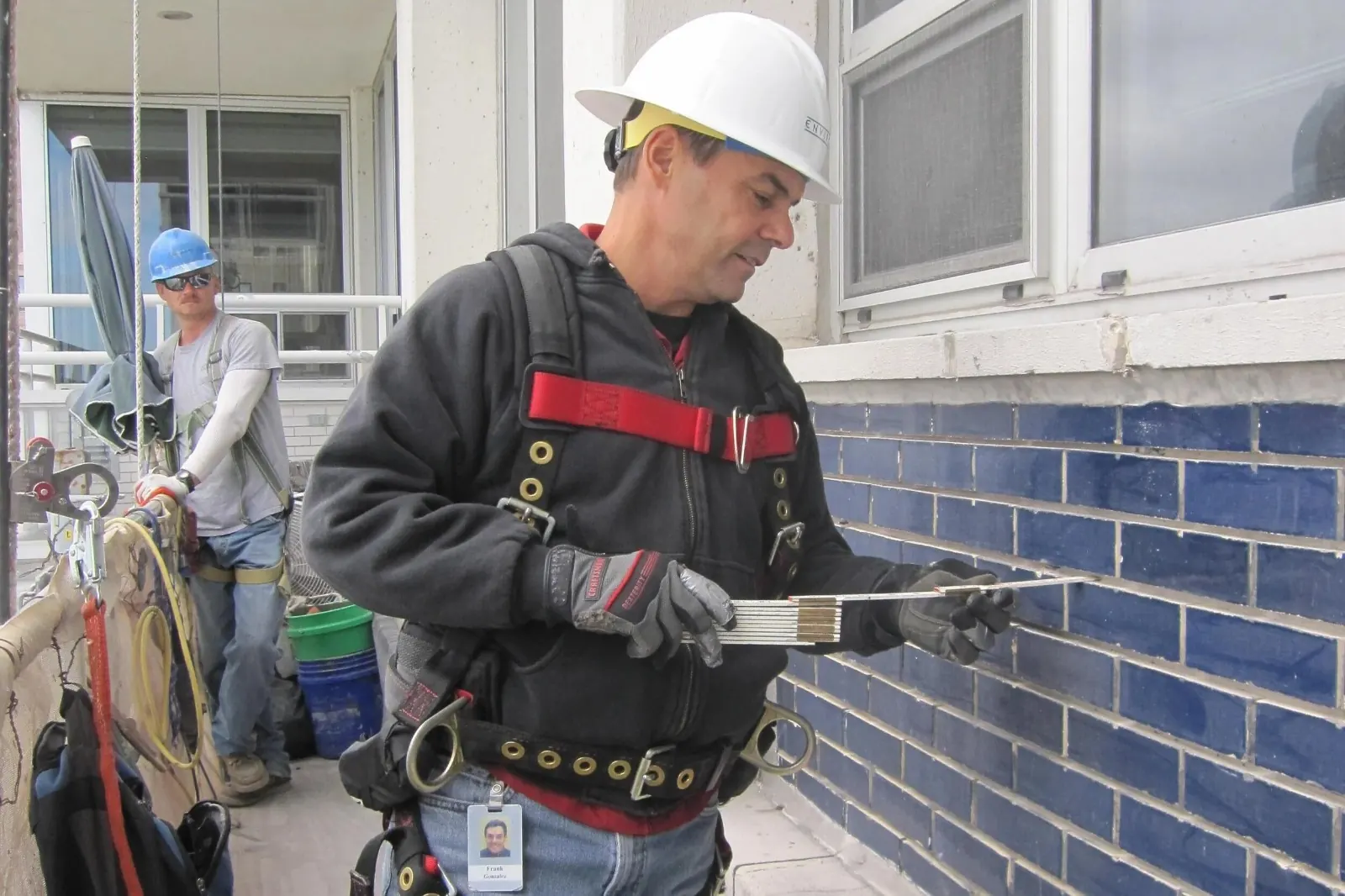
A FISP inspection is the official façade critical examination required under Local Law 11. It must be performed by a Qualified Exterior Wall Inspector (QEWI), who must be a New York State licensed professional engineer or registered architect meeting DOB qualification requirements.
A FISP inspection generally includes:
- Visual examination of the building exterior
- Close-up inspection of representative areas
- Review of exterior wall conditions and appurtenances
- Identification of unsafe or deteriorated conditions
- Filing of an electronic technical report in DOB NOW: Safety
Which Buildings Need a Facade Inspection?
Local Law 11 applies to buildings with exterior walls or parts thereof that are greater than six stories. In practice, that often includes residential, commercial, mixed-use, condominium, cooperative, hotel, office, and institutional buildings that exceed that height threshold.
Why Are Facade Inspections Required?
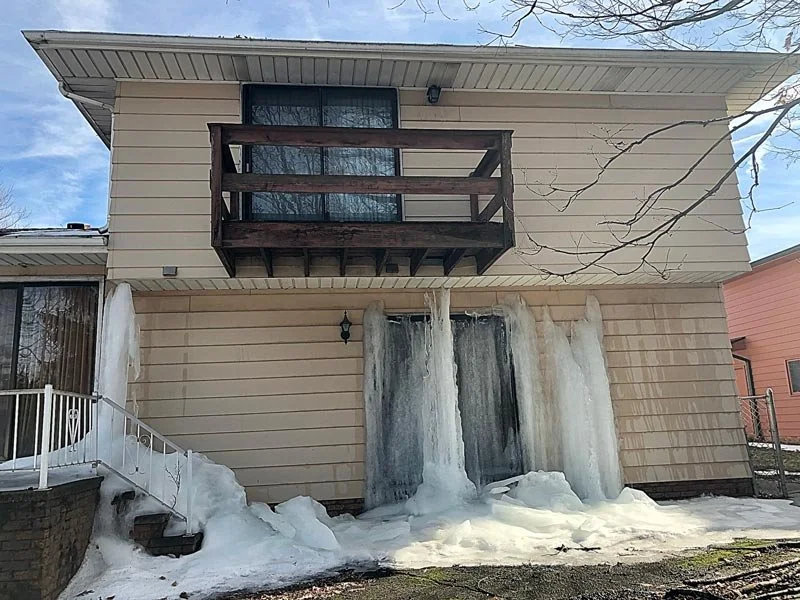
Facade inspections are required to protect public safety. Exterior walls and appurtenances can deteriorate over time due to weather exposure, water infiltration, freeze-thaw cycles, material aging, and structural movement. FISP is intended to identify these hazards before they result in falling debris or other dangerous conditions.
Local Law 11 Inspection Cycles in 2026 (FISP Cycle 10)
FISP Cycle 10 began on February 21, 2025 and runs through February 20, 2030, with filing windows divided into three sub-cycles based on the last digit of the building’s block number.
Cycle 10 sub-cycles
Sub-Cycle 10A Block numbers ending in 4, 5, 6, or 9 Filing window: February 21, 2025 – February 21, 2027 Sub-Cycle 10B Block numbers ending in 0, 7, or 8 Filing window: February 21, 2026 – February 21, 2028 Sub-Cycle 10C Block numbers ending in 1, 2, or 3 Filing window: February 21, 2027 – February 21, 2029 For 2026, that means Sub-Cycle 10A is ongoing and Sub-Cycle 10B has opened. Owners in those sub-cycles should plan inspections and filings promptly to avoid penalties.
Local Law 11 Inspection Requirements
DOB requires more than a simple walk-by review. Key requirements include:
- The inspection must be performed by a QEWI.
- The QEWI must conduct a critical examination based on a building-specific inspection program.
- The examination must include close-up inspection of representative façade areas.
- The report must classify the building as Safe, SWARMP (Safe With a Repair and Maintenance Program), or Unsafe.
- Reports must be filed electronically in DOB NOW: Safety.
- The report must be filed within 60 days of completion of the critical examination.
If unsafe conditions are found, the QEWI must immediately notify the owner and DOB, and the owner must begin repairs or protective measures as needed to secure public safety.
Facade Classifications
After inspection, the QEWI assigns one of three classifications:
Safe
No unsafe or SWARMP conditions were found.
SWARMP
The condition is safe at the time of inspection but requires repair or maintenance within the QEWI’s recommended timeframe to prevent deterioration into an unsafe condition. The same condition at the same location cannot be filed as SWARMP for two consecutive cycles.
Unsafe
At least one unsafe condition exists. Owners must immediately begin repairs or install appropriate public-protection measures, and unsafe conditions generally must be corrected within 90 days, unless DOB grants an extension.
Typical Cost of a Local Law 11 Inspection
Inspection and repair costs vary widely based on building size, access conditions, façade complexity, and whether repairs are needed. These are industry estimates, not official DOB fees.
Typical costs may include:
- QEWI inspection and report preparation
- Access equipment such as scaffolding, suspended scaffold, rope access, or lifts
- Sidewalk shed or other public-protection measures, if required
- Masonry, waterproofing, or structural repairs
DOB’s published initial filing fee for a façade report is $425.
Local Law 11 Filing Process
- Confirm applicability Determine whether the building is subject to FISP and identify its sub-cycle based on block number.
- Hire a QEWI Only an approved QEWI may perform the inspection and file the report.
- Perform the critical examination The QEWI inspects the façade and required close-up areas.
- Classify the façade condition The building is classified as Safe, SWARMP, or Unsafe.
- Prepare and file the report The technical report is filed electronically in DOB NOW: Safety.
- Complete required repairs Unsafe conditions must be addressed immediately, and SWARMP conditions must be corrected within the timeframe recommended by the QEWI.
- File an amended report, if required Once unsafe conditions are corrected, an amended report must be filed within two weeks after repairs are completed.
- Maintain records and plan ahead Keep reports, repair records, and DOB filings for the next cycle. Since the cycle system repeats, early planning helps avoid delays and penalties.
Penalties for Non-Compliance
DOB lists the following civil penalties for façade non-compliance:
- Late filing (initial report): $1,000 per month
- Failure to file (initial report): $5,000 per year
- Failure to correct unsafe conditions: penalties follow the schedule in 1 RCNY §103-04, beginning at $1,000 per month in Year 1 and increasing with additional sidewalk-shed linear-foot penalties in later years.
- Failure to correct certain SWARMP conditions: $2,000 when a prior-cycle SWARMP condition is not corrected and is later filed as unsafe.
Frequently Asked Questions
Does my building need a Local Law 11 inspection?
Who can perform the inspection?
What if my facade is classified “Unsafe”?
How do I know my filing deadline in 2026?
What’s the penalty for not filing?
Conclusion
Local Law 11 / FISP remains one of NYC’s most important building-safety compliance programs. If your building is taller than six stories, you should confirm your Cycle 10 sub-cycle, retain a QEWI, and complete your filing through DOB NOW: Safety on time. Doing so helps protect the public, reduce liability, and avoid significant civil penalties.
Choosing the right engineering partner makes the difference between a smooth, compliant process and expensive delays.
At SageEngineering, we specialize in Local Law 11 / FISP facade inspections and deliver complete, end-to-end compliance solutions for buildings across New York City.
What sets us apart is our advanced inspection approach:
- Drone facade inspections for fast, high-resolution assessments of hard-to-reach areas
- Rope access inspections for efficient, hands-on close-up examinations without excessive scaffolding
- QEWI-certified facade inspections fully compliant with NYC DOB requirements
- DOB NOW filing and compliance management
- SWARMP and Unsafe repair planning and oversight
- Full facade restoration and construction oversight
By combining traditional engineering expertise with modern inspection technology, we help property owners reduce costs, minimize disruption, and accelerate compliance.
Whether your building requires a routine inspection or urgent Unsafe condition repairs, our team ensures accuracy, efficiency, and full DOB compliance from start to finish.
If your property falls under Cycle 10, now is the time to act.